Before we talk about Google Shopping ads, let’s talk about the letterbox at home. Many people’s letterboxes are regularly stuffed with flyers from supermarket and drugstore chains, jammed full with every new issue.
Every time we come home to this sight, it raises a few questions:
- The environment: but that is too big a topic, so we won’t go into it.
- Advertisers: they don’t know whether the part-time staff actually delivered the flyers, or, handing them out one by one, whether anyone opened them.
- Consumers: a pile of paper sits there that you just want to recycle; in a thick catalogue (or even a single sheet) you can’t find the product you want.
Is this really the way we (advertisers and consumers) want product information to be distributed and received?
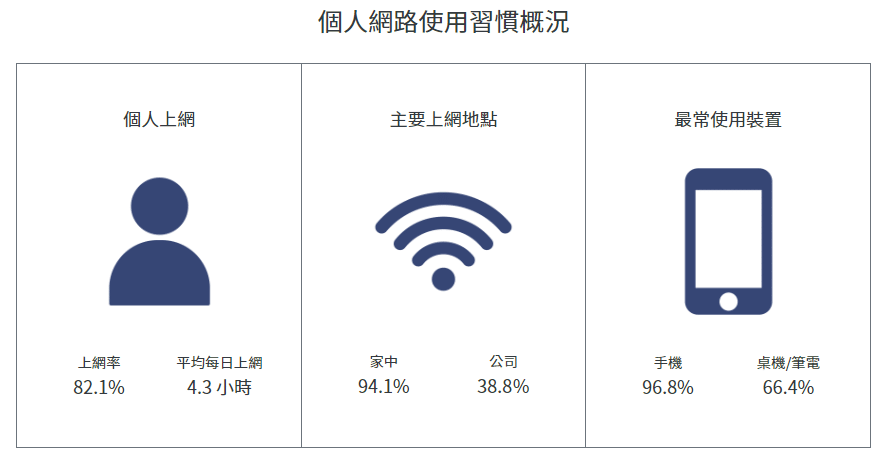
According to the “2018 Taiwan Internet Report” published this year by the Taiwan Network Information Center (TWNIC), 82% of Taiwan’s population uses the internet, spending more than 4 hours a day online on average. The spread of the internet makes it more convenient for people, and it is fast replacing traditional channels for distributing information.
Back to the letterbox. Now that internet use is so widespread, and to solve the problem of letterboxes being constantly filled, Google launched a new type of Shopping ad in Q3 2017. So what are Google Shopping ads? If you are a retailer with products and a website where customers can check out, Google Shopping ads are one of the best ways to replace printed flyers. Used together with keyword ads, they can show text, product images, prices, store details and other related information to consumers who are actively searching.
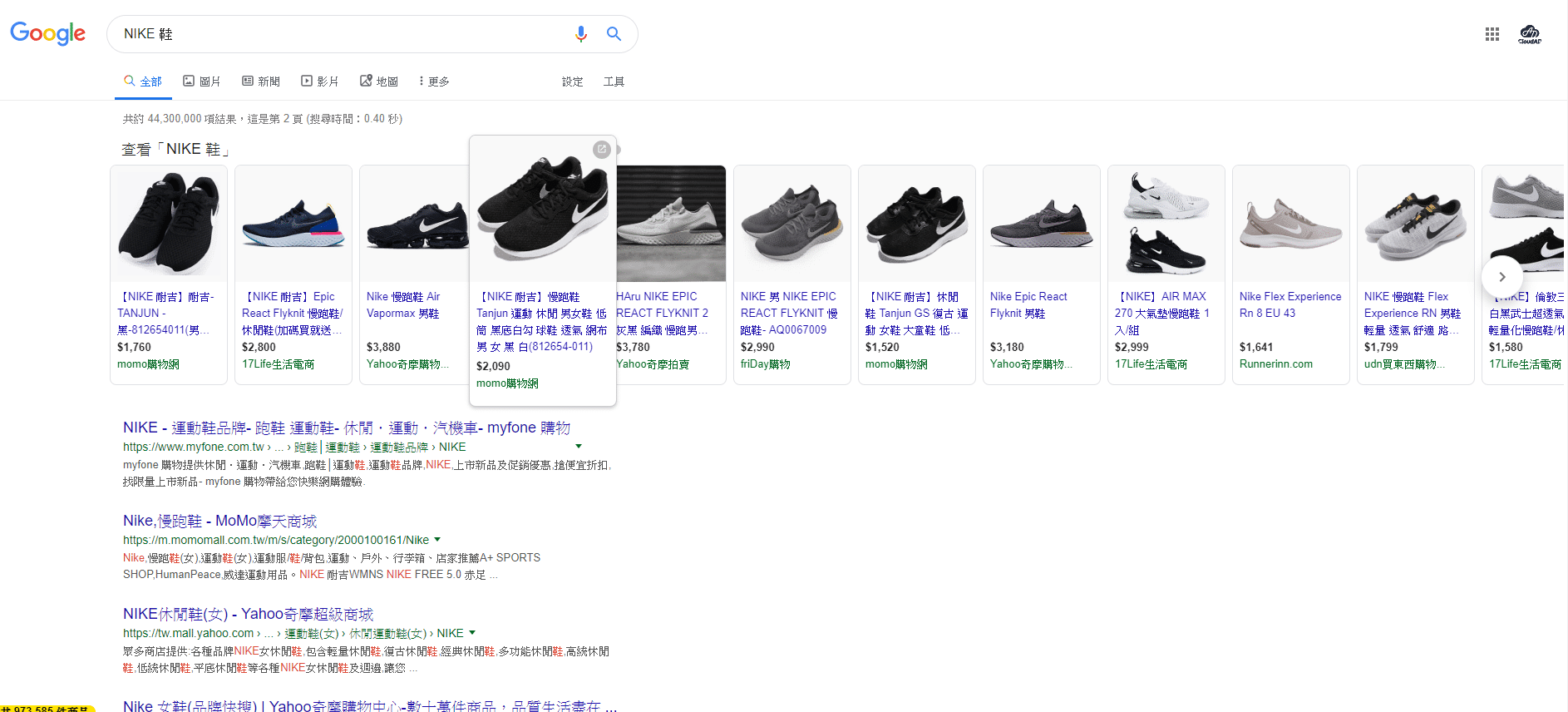
This way, we can solve the problems raised above:
- The environment: but that is too big a topic, so we won’t go into it.
The topic is still huge, so we will leave it to environmental experts to discuss in depth. - Advertisers: they don’t know whether the part-time staff actually delivered the flyers, or, handing them out one by one, whether anyone opened them.
Ads are reliably delivered (by the advertiser) to people who are actively searching (consumers choosing directly which products they want to see). While the campaign runs, advertisers can also clearly see clicks through to product pages and people learning more about the products, creating a better product selection experience for both advertisers and consumers. - Consumers: a pile of paper sits there that you just want to recycle; in a thick catalogue (or even a single sheet) you can’t find the product you want.
No more gathering up a pile of paper to recycle (and in Taipei you also have to sort it); you find the products you want faster.
This is why Google Shopping ads (GSA) offer both advertisers and consumers a friendlier online shopping experience, and why this approach has risen to become one of the performance-focused ways to run media.
If you are interested in any of the above, let CloudAD help you enrich your marketing strategy. Get in touch.