In this post you will learn:
- What types of YouTube video ads there are
- The features of YouTube video ads
- How YouTube video ads are charged
You have probably been there: lying in bed before sleep, you open YouTube and click on a video by the English-teaching YouTuber Ray Du (阿滴) to practise your English, when suddenly a video appears at the start and blocks your view. You have to wait five seconds before you can skip it and watch Ray Du. That’s right: this is one of YouTube’s video ad types. But did you know YouTube has many other types of video ads? This post gives you a basic introduction to YouTube video ads (if you are already at an advanced level, you may want to skip ahead to our other articles).

The familiar face of video ads: TrueView in-stream ads (skippable after 5 seconds)
The main feature of this ad type is that viewers can choose to skip the ad after it has played for 5 seconds. With this type of video ad, viewers are free to choose whether to watch your video. When they choose to keep watching, their engagement with the video is 75% higher than with forced viewing. You also only pay for audiences who are genuinely interested in your video: if a viewer does not watch past 30 seconds, you pay nothing (ads shorter than 30 seconds are charged when watched in full).
- Choose any video length
- Viewers decide whether to watch the ad, helping you find potential customers who genuinely want to watch
- You are only charged after 30 seconds, so no ad budget is wasted
- The first five seconds decide whether anyone watches

The scattergun of video ads: bumper ads (6 seconds, non-skippable)
This is one of the few video ad types that viewers are required to watch, but at only 6 seconds it does not put audiences off. On the contrary, it can spark their interest and even give them a first impression of you. Medium and large brands often use this type of ad when promoting new products: six-second clips can reach a large number of people and highlight the features of an upcoming product or service.
- Six seconds, non-skippable
- Charged on a cost-per-thousand-impressions basis (you only pay when the ad reaches 1,000 impressions)
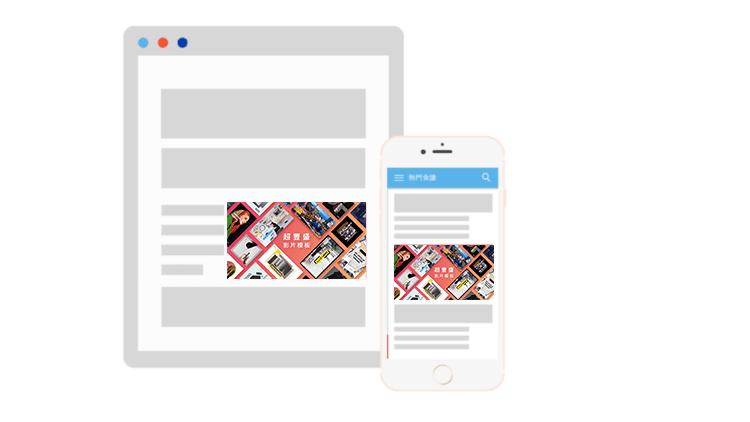
The many faces of video ads: outstream ads
This ad type is a mobile-only placement and differs from the two types above. In the early days, video ads only played within streamed video content, which is called in-stream. Now, however, video ads can be served not only on YouTube but across a wide range of network sites. Video ads that do not play within video content are called outstream video ads.
- Video ads can run on more network sites
- Mobile-only placement for a good mobile experience
- Charged on a vCPM basis (50% of the ad on screen and the video playing for two seconds)

Keywords for video ads: discovery ads
Video ads can also follow keyword thinking. More and more people open YouTube and search before buying, and the discovery ad type was created in response. This format appears in related videos beside the YouTube video you are watching, on YouTube search results pages, on the YouTube mobile home page and in other places. It is shown as an image, and you are only charged when someone clicks it and the video starts playing. The advantage of this ad type is that brands can gain a lot of exposure, and audiences who choose to click and watch pay noticeably more attention.
- You are only charged when viewers click the thumbnail to watch the ad
- Your video is shown as a thumbnail, giving high exposure
The four video ad types above are the ones marketers most often use when running Google’s YouTube video ads. Whether you want to promote a new product, communicate your brand image or give audiences in the consideration stage a final push, using video ads well can help you do it. When reading this post, focus on how each type is charged and how it works, so you can put together the best plan to suit each client’s needs and budget.
If you are interested in any of the above, let CloudAD help you enrich your marketing strategy. Get in touch.