
In an ever-changing digital marketing environment, Google Ads’ Performance Max (PMax) campaigns have become an important tool for many advertisers to combine Google’s channels and AI capabilities and improve ad performance. More than a million advertisers already use it, and Google keeps improving it: in 2024 it introduced over 90 quality improvements, which brought an average increase of more than 10% in conversions and conversion value. In response to user needs, Google recently launched new reporting features for Performance Max that further improve insight and transparency. The key points can be summarised in four features:
1. Channel performance
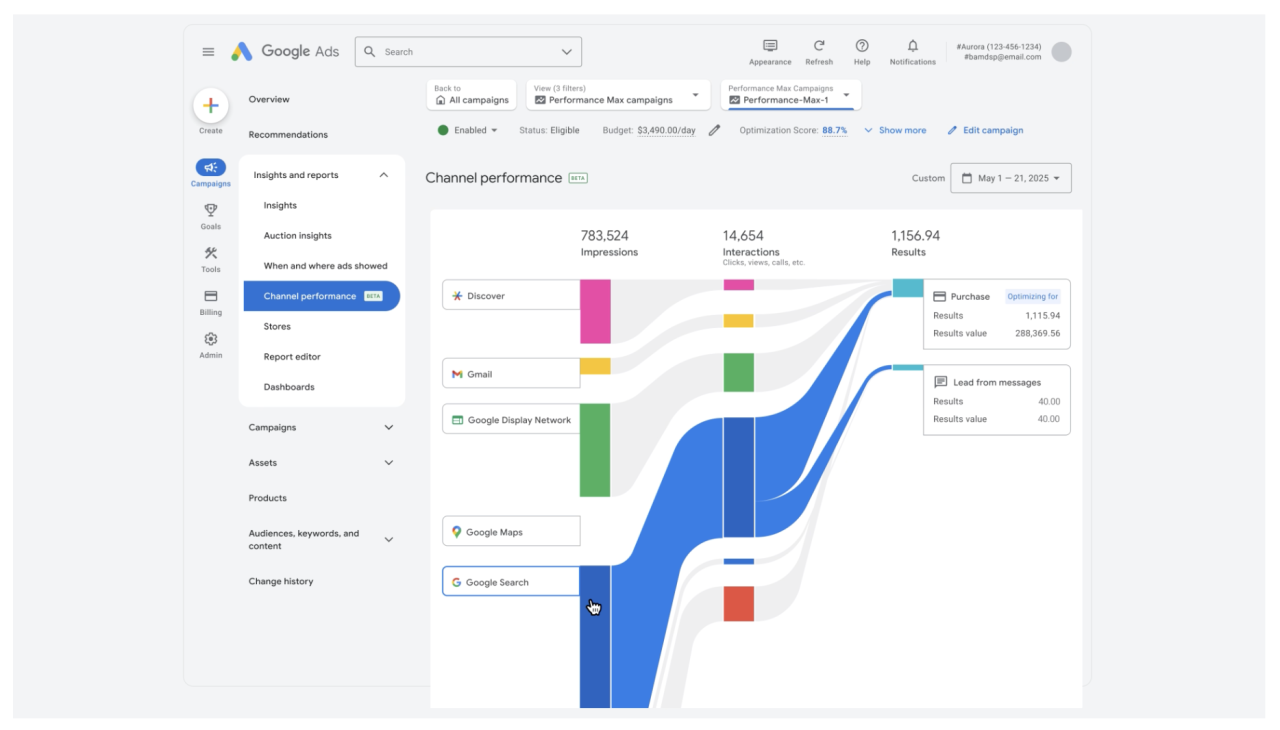
Previously, when running PMax, Google Ads only showed overall campaign performance. The channel performance report uses a visual path-style report to help advertisers quickly see the impressions, interactions and conversions PMax delivers on each channel (Search, YouTube, Discover, Gmail, Maps and the Display Network).
The report can also be broken down to ad format level, including ads “using video” or “using product data”. This covers Shopping ads on the Search Network, dynamic remarketing ads on the Display Network, and video ads showing products on YouTube, helping advertisers understand how different ad formats perform on each channel.
2. Channel distribution table
Below the channel performance page, the channel distribution table gives a more detailed view of the data, including clicks, conversions, cost and other metrics, and can be downloaded directly for performance analysis.
The table also includes key format-level breakdowns, such as the performance of ads using product data, so advertisers can optimise further by format and channel.

3. Diagnostics
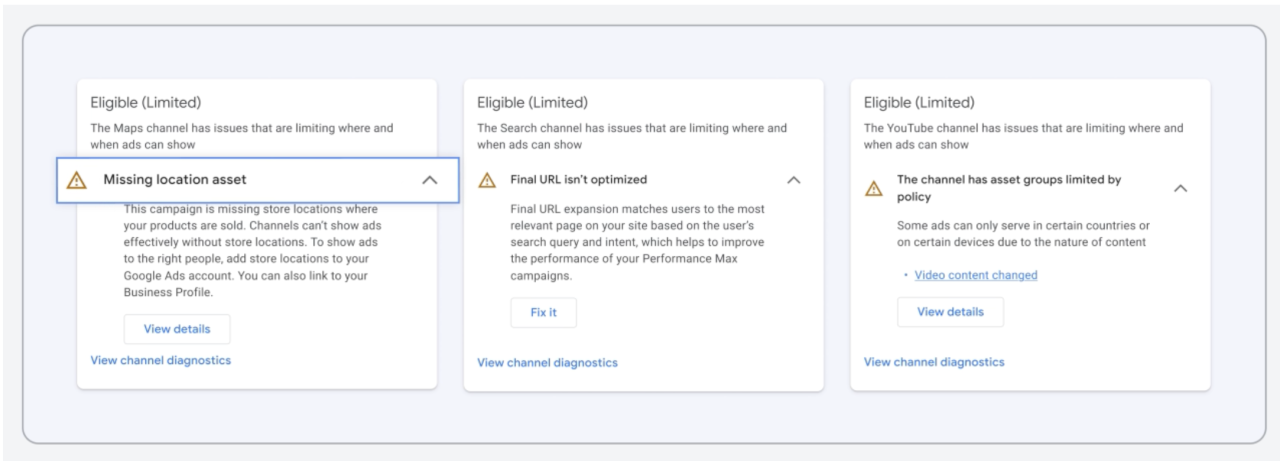
The diagnostics tool shows potential issues on each channel that may need fixing. For example, it could help a gardening supplies retailer discover that missing store locations are preventing its ads from appearing on Maps, or point out that landing pages are not relevant enough to users’ search queries, limiting exposure on the Search Network.
This feature helps advertisers look beyond the ads themselves, remove potential obstacles, and further improve overall performance and brand results.
4. Asset-level reporting
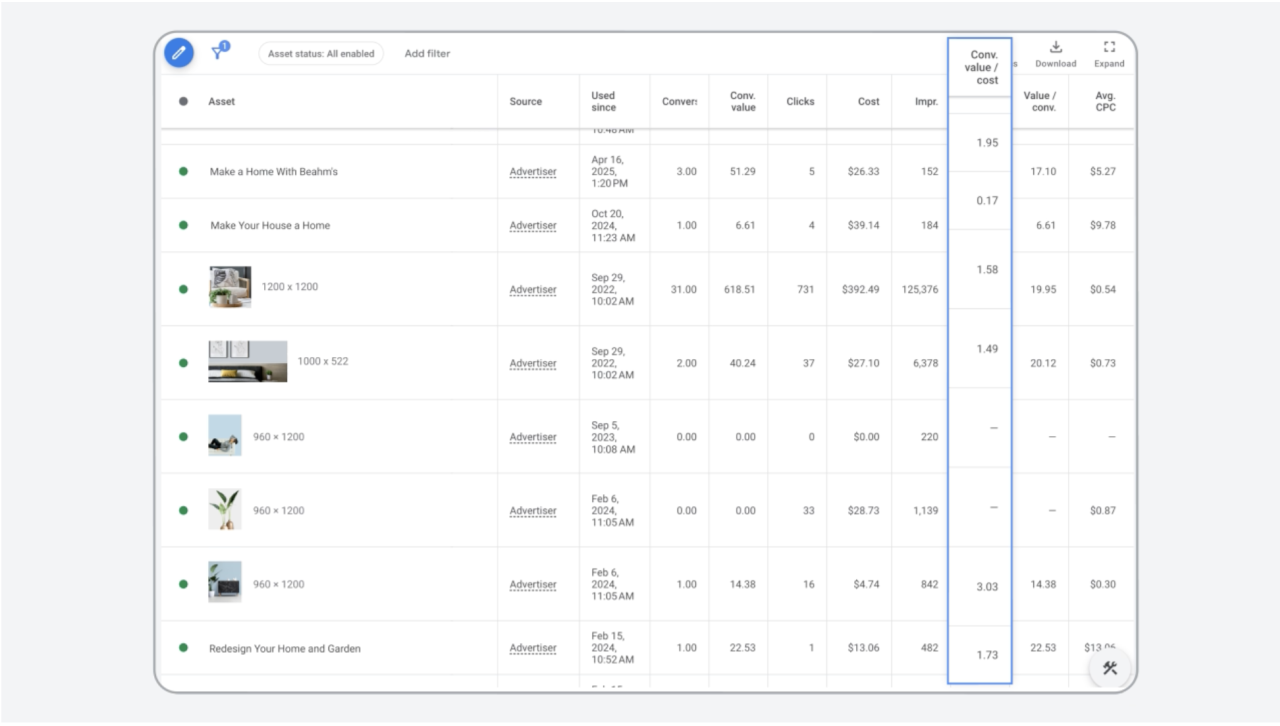
Asset-level reporting previously showed which assets drove the most conversions. This update adds more metrics, such as impressions, clicks, cost, conversion value / cost and average CPC, and extends the report beyond PMax to Search and Display campaigns, strengthening the assessment of asset performance across campaigns.
Conclusion
This update to PMax reporting, especially the new channel performance page and diagnostics, gives advertisers unprecedented transparency and data insight. With these tools, you can see more clearly how your budget actually performs on each channel, find room for optimisation, and fix the key issues affecting performance. At the same time, the expansion of asset-level reporting will help advertisers create more engaging, higher-converting ad creative in future.
Source: Google