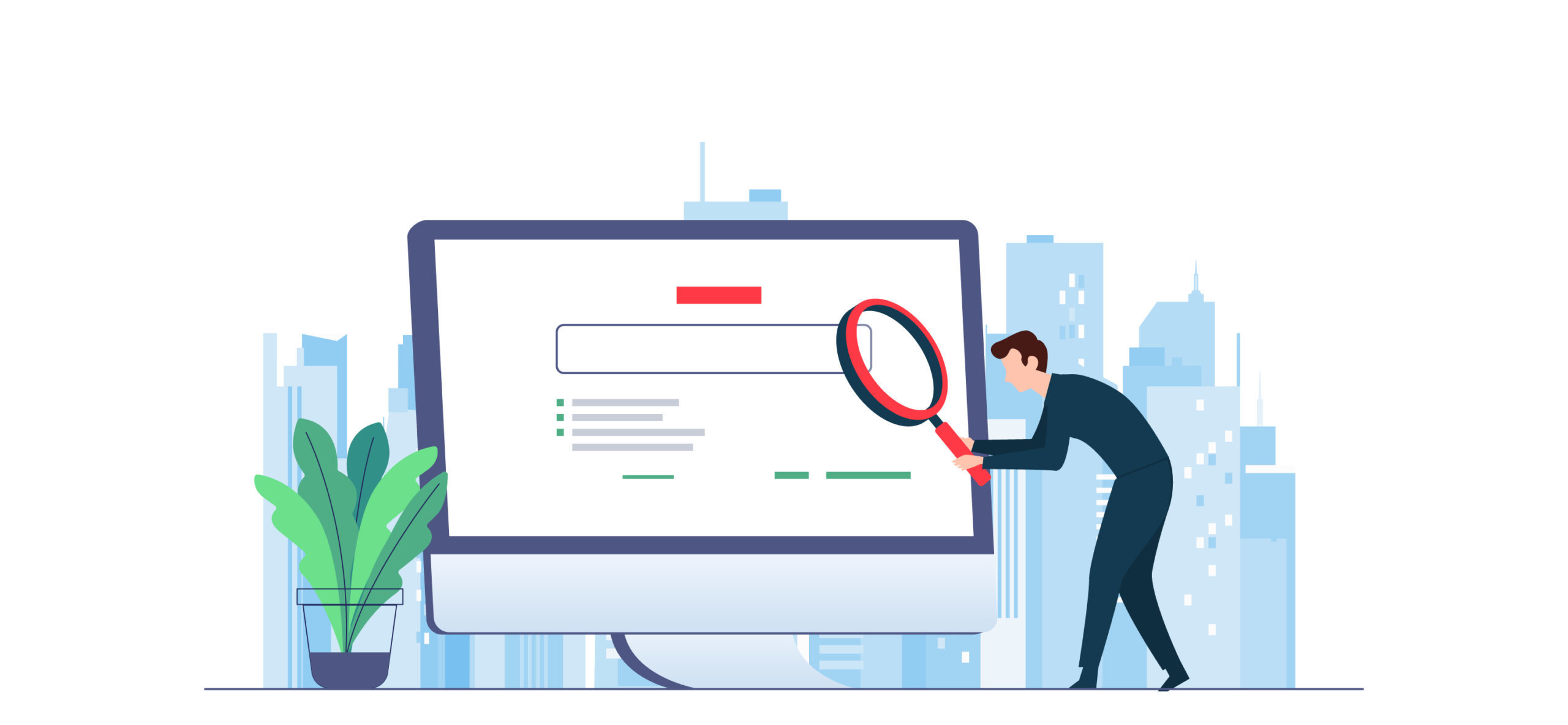
In today’s purchase decision process, most people use Google to search for information about products. These consumers have strong purchase intent. If you invest in search ads at this moment and catch their attention, you can take your business up a level.
Keyword ads
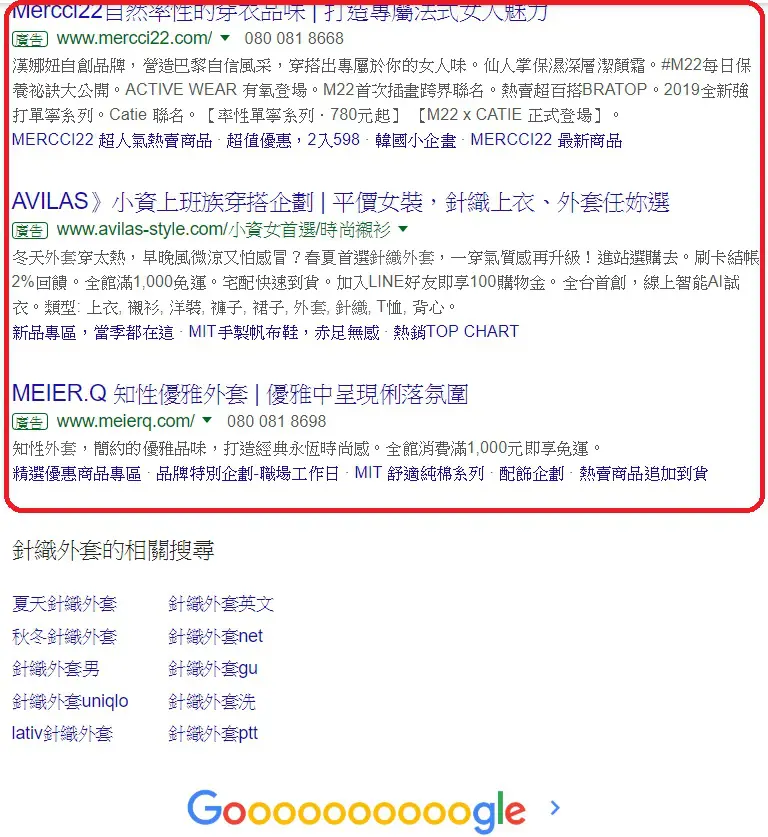
A Google search results page can show up to 7 paid ads at the same time.
*Search ads and organic search results do not affect each other.
First, let’s tell organic search results and search ads apart.
1. Top ad positions (up to 4 paid ads)

2. Organic search results
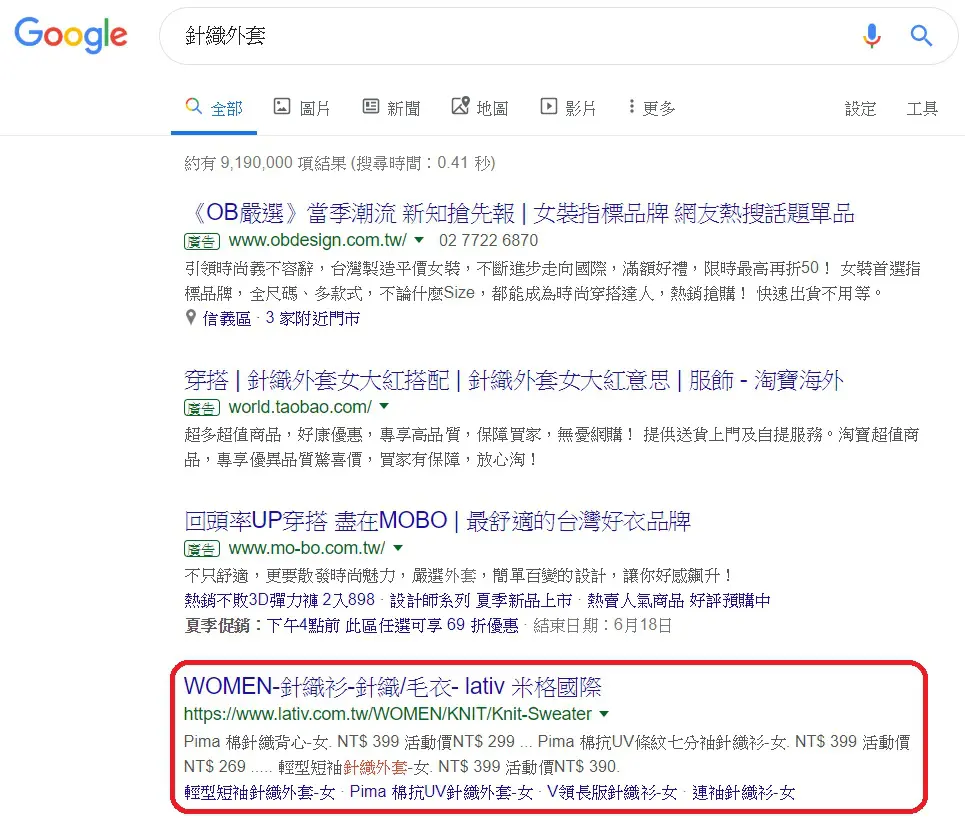
3. Bottom ad positions (up to 3 paid ads)
What are keyword ads?
They are pay-per-click ads. When a user searches for a keyword, your ad appears on the search results page, and you are only charged when the user clicks your ad to visit your website. It is one of the most effective and direct forms of advertising: if there is no click, there is no charge, but your ad still gets a free impression.
Why use Google search ads?
Because Google is the most widely used search engine in the world, and ads need to be seen where the people are. 94% of people use Google Search every day. When people want to get anything done, Google Search is the first place they go, and it is also the most influential platform for purchase intent and purchase decisions.
Features of keyword ads
- Consumers actively search because they have a need, so ads are highly relevant to what they need.
- Reporting is data-driven: every impression, click and cost is recorded as data.
- Potential customers are more likely to buy, because the traffic is precise and driven by need.
In the digital age, want to ride this wave of advertising? Get in touch.