The challenge: market pressure and financial regulation
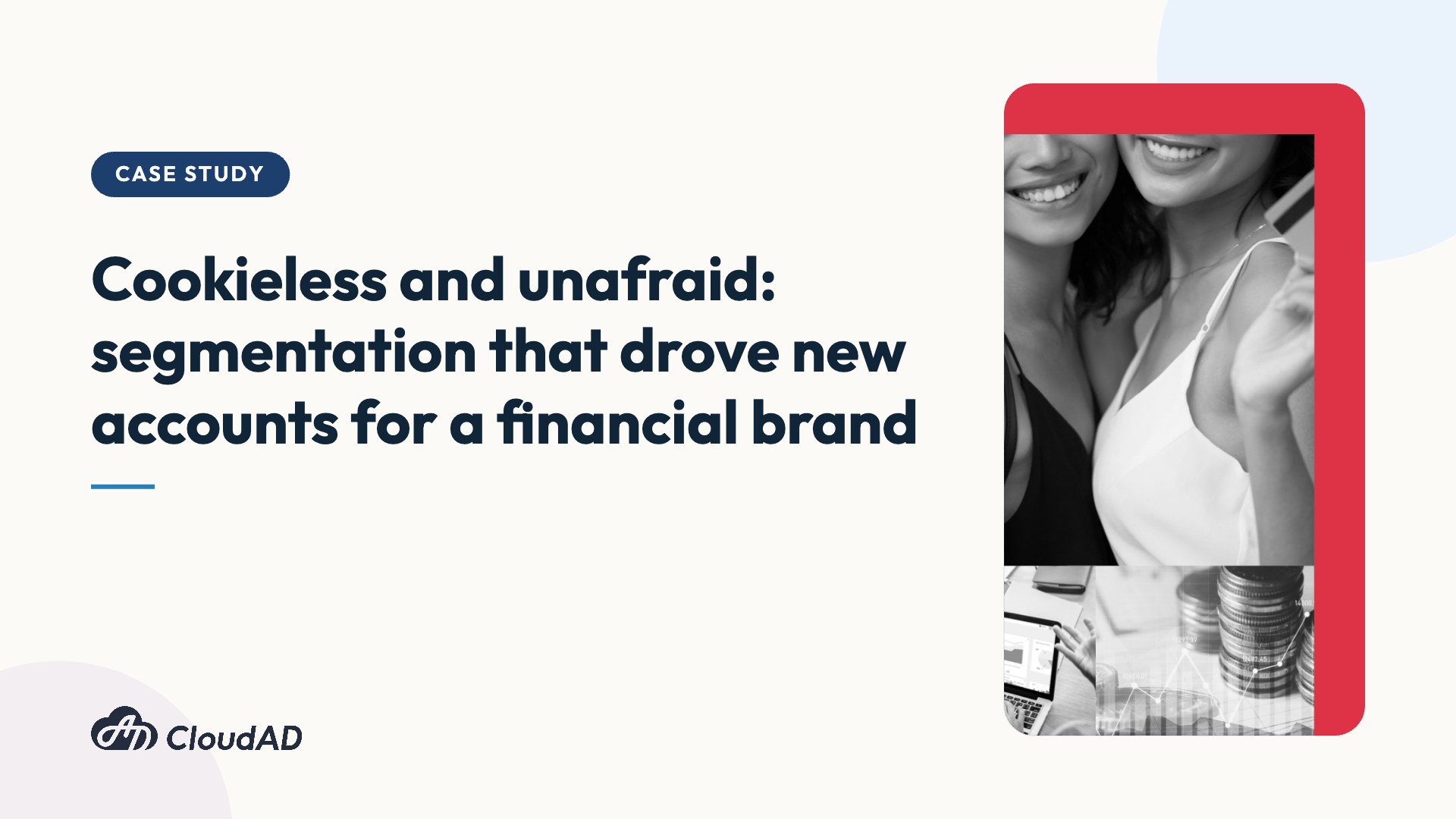
A well-known Taiwanese group operates across finance, retail and textiles. Its financial business is a pioneer in digital banking and uses the group’s reach across many industries to build an ecosystem of customer experiences, feeding behaviour data back into product planning and development.
With economic conditions and Taiwan’s population trends, the financial market is close to saturation, and acquiring new customers matters more than ever. Among financial products, credit cards are an easy, low-cost way to acquire customers, which makes the category fiercely competitive.
Beyond rewards, the way marketing guides people is what decides whether they apply. But government controls on financial marketing, along with internal compliance and security reviews, made new promotion channels hard to adopt. The question became how to innovate on existing foundations.
Segmentation that drives new accounts
Many advertisers acquire customers on major platforms such as Meta, targeting the interest audiences labelled by the ad system. As privacy concerns grow worldwide and third-party tracking declines, these labels are becoming less accurate. CloudAD proposed three segmentation approaches to strengthen targeting beyond the privacy barrier:
- First-party data segments: AI-powered ad tools all go through a machine learning phase, and many brands know the value of feeding first-party lists to the system. Before uploading member data, CloudAD recommends labelling it by card type, for example by spending tier or retail partner, to build tailored remarketing lists and shorten the learning phase.
- Conversion goal segments: set up separate conversion goals for each credit card product so campaigns learn effectively; use conversion data to build remarketing lists for likely applicants and generate lookalike audiences that extend reach at a lower conversion cost.
- Creative segments: creative is the front line of the customer experience. CloudAD recommends following the same segmentation as the card products and combining it with benefit angles such as top rewards and use cases, designing creative for each card to raise engagement.

Results
Cost per conversion down 53%.