Does the word “cookie” sound familiar? “Cookieless” has been widely discussed online recently, but do you know what it means? What effect will Google’s move to phase out cookies have on digital marketing? Read on to find out.
What is a cookie?
A cookie is a small text file stored in the browser so that a website can recognise the user. Put simply, when a user visits a website, the site stores that user’s behaviour and data in a cookie. The next time the user visits, the website can recognise them.
First-party cookies vs third-party cookies
First-party cookies are created by the website the user is visiting. They record the information the user enters on that site and their behaviour after logging in, so the user doesn’t have to enter the same details again on their next visit.
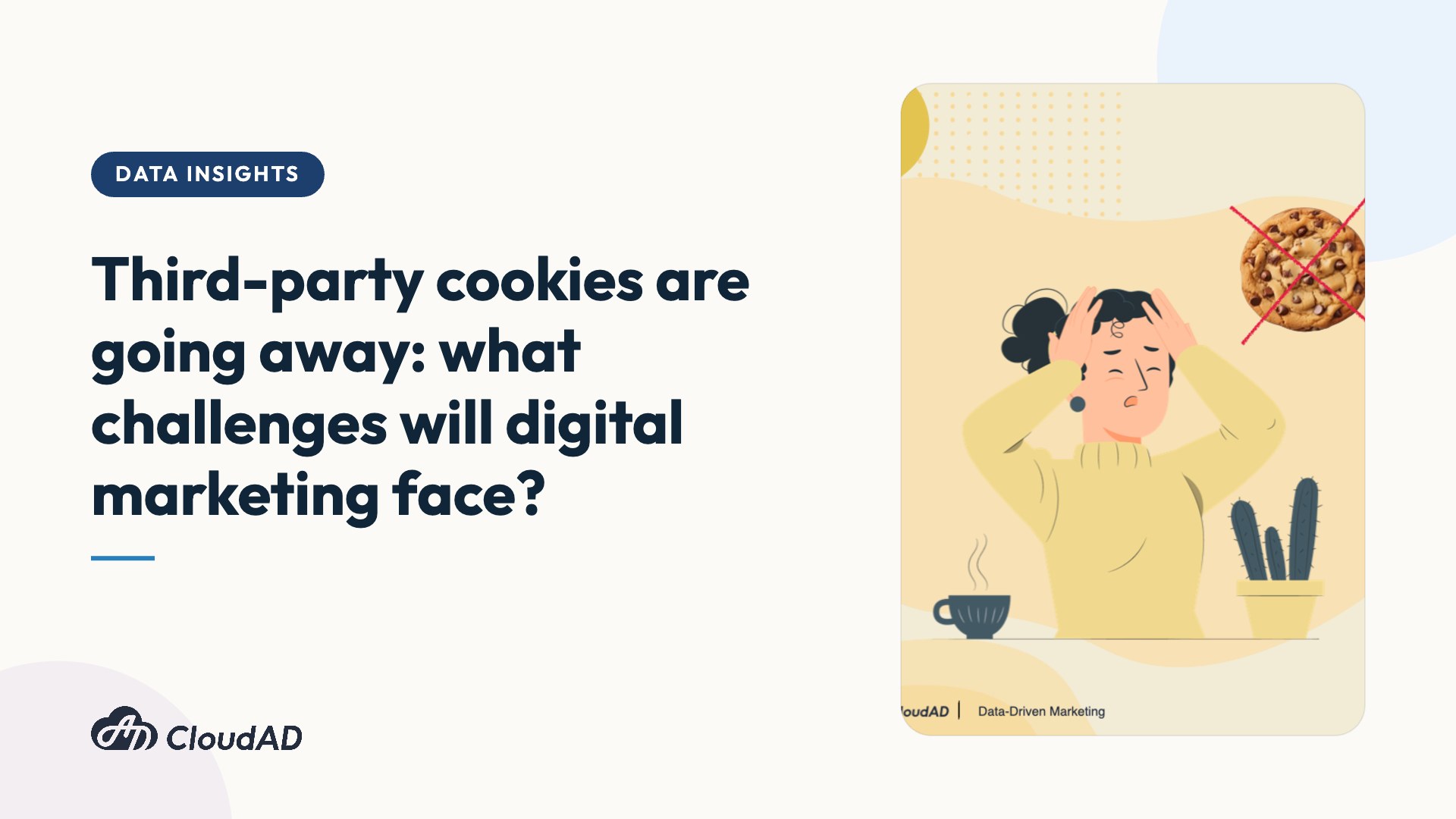
Third-party cookies are created by third-party code. They are used mainly to track user behaviour across websites and pool that data in third-party data collection platforms. Marketers can then use this information to serve personalised ads. For example, when you see an ad on another website for a product you have only just viewed, that is third-party cookies recording your browsing.
What does cookieless mean?
Because third-party cookies can record user behaviour and browsing without the user’s consent, they raise concerns about personal privacy. After the European privacy regulation (GDPR) came into force in 2018, cookies were treated as personal data, and their casual use was strictly prohibited. In 2024, Google announced that it would gradually phase out third-party cookies, taking digital marketing into a privacy-focused cookieless era. This means advertisers will not be able to track user behaviour across websites, and ad targeting will become much less precise.
Is cookieless an opportunity rather than a crisis?
Although going cookieless brings a series of challenges for digital marketing, it also creates new opportunities. As third-party cookies disappear, the first-party data users leave when they visit a website becomes a valuable business asset and an important basis for marketing. To prepare for the cookieless era, businesses can:
- Collect and use more first-party data, build up member data and maximise the value of that data
- Optimise websites and apps, offering a better user experience and more engaging content to increase organic traffic
- Strengthen the privacy and security of first-party data, creating an online environment users can trust
Note that first-party data includes sensitive information such as personal identity, and data privacy regulations are being introduced around the world. If your website or app operates in the EEA (European Economic Area), or serves users in the EEA, we recommend enabling Consent Mode as soon as possible. To find out more, read “The cookieless era is here: is your data collection compliant? A guide to Google Consent Mode“.
With the end of third-party cookies, users’ data privacy will be better protected and the website experience will improve. For digital marketing, however, advertisers will no longer be able to target ads precisely by collecting users’ behaviour across websites. Only by preparing early, adjusting marketing strategy and actively addressing the challenges of the cookieless era can businesses keep up with a fast-changing market. If you have any questions or needs, get in touch.